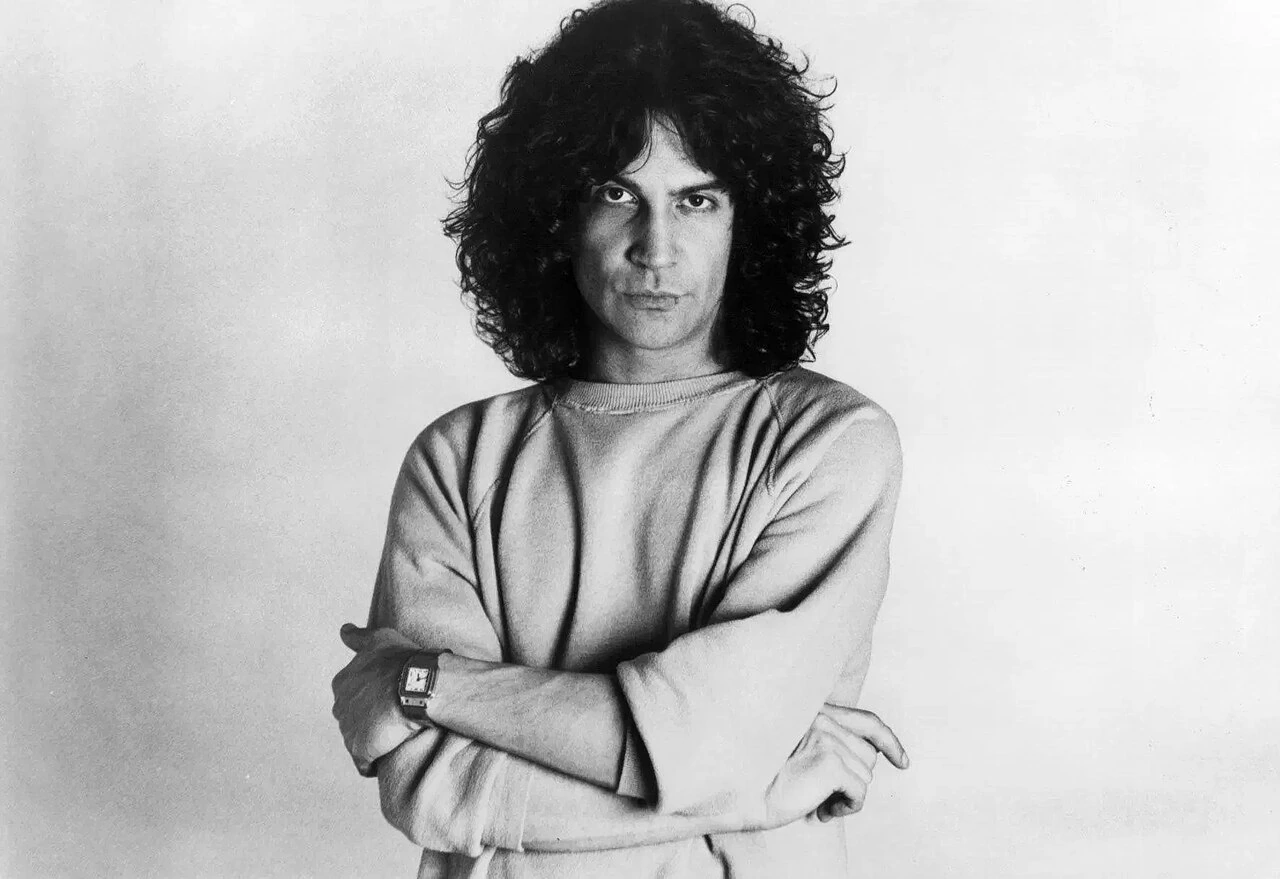
The most credible estimate range for Billy Squier's net worth as of May 2026 is somewhere between $40 million and $80 million, with the honest answer being that no one outside his personal financial circle knows the exact figure. The $40 million mark comes from aggregators like TheRichest and NetWorthList, while Celebrity Net Worth pegs it at $80 million. That $40 million gap tells you everything you need to know about how these numbers are built: they're informed estimates, not audited statements.
Billy Squire Net Worth: Estimate, Sources, and Key Wealth Drivers

Marcus Finewood
28 May 2026
Which Billy Squire are we actually talking about?

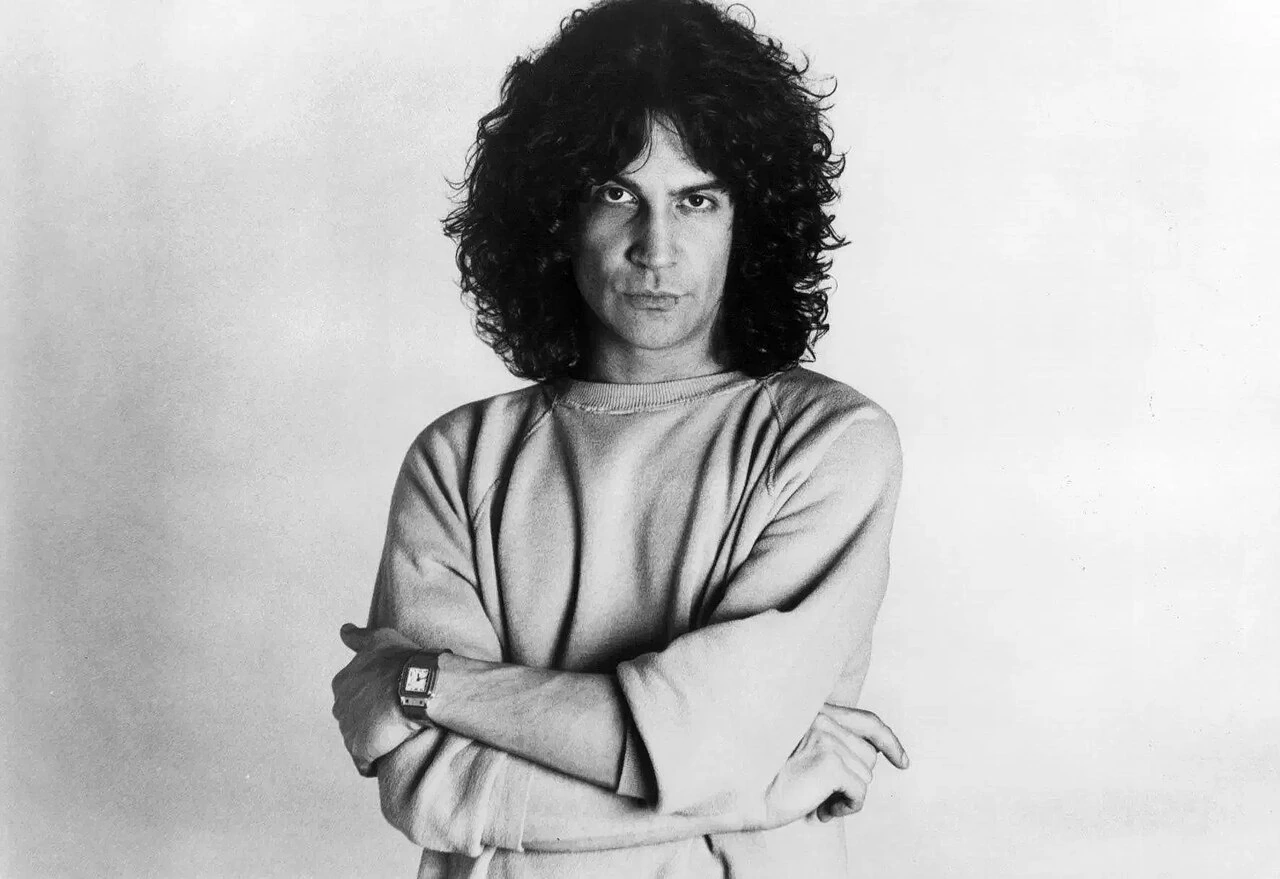
Quick disambiguation before anything else: the name is commonly misspelled as "Billy Squire" (with an extra 'e'), but the person most people are searching for is Billy Squier, full legal name William Haislip Squier, the American rock musician born in 1950. He's the guy behind "The Stroke," "Lonely Is the Night," and "Everybody Wants You" from the early 1980s. He is not Billy Joel (a much bigger commercial entity), not any of the other prominent Billys in music, and not a fictional or obscure figure. If you landed here looking for financial data on the rock musician who peaked on the charts in 1981 to 1984, you're in the right place. His official site at billysquier.com and his Wikipedia entry (which identifies him clearly by full name and career timeline) are the two fastest ways to confirm you have the right person.
This is also worth noting because this site covers multiple notable Billy-named public figures, including profiles on Billy Sims, Billy Yates, Billy Quinn, and others. Some readers also search for Billy Quinn Dallas net worth, but this article is about Billy Squier, not Billy Quinn. If you meant Billy Quinn, note that the net worth figures you see online may refer to a different public figure and should be checked carefully Billy Quinn net worth. If you meant Billy Yates instead of Billy Squier, that separate profile includes its own estimate of Billy Yates net worth. The financial profiles and income structures for a legacy rock musician like Squier are quite different from, say, a sports figure or a regional business personality, so the methodology here is music-catalog specific.
The net worth estimate range and what it's actually based on
The $40 million to $80 million range isn't arbitrary. It reflects real income streams tied to Squier's career, but the gap exists because the underlying asset values are genuinely hard to pin down from public data. Here's how the math gets built, even if imprecisely.
Squier had a concentrated period of massive commercial success between 1981 and 1984. His album "Don't Say No" (1981) moved from Gold certification to Platinum within a matter of months after release, eventually earning a triple-platinum RIAA certification. Wikipedia’s Billy Squier discography ties the “Don’t Say No” era to specific studio albums and RIAA certification levels, which helps corroborate the sales-volume context behind claims like the triple-platinum status Don't Say No earning a triple-platinum RIAA certification. His subsequent albums "Emotions in Motion" (1982) and "Signs of Life" (1984) also went platinum. Multiple RIAA-certified platinum albums means millions of units sold, which translates into meaningful historical mechanical royalties and artist royalties from record contracts. Even under unfavorable contract terms common in that era (where artists often received 10 to 15 percent of retail on albums), the raw volume of sales produces substantial cumulative income over decades.
On top of historical sales, the catalog continues to generate income through streaming, sync licensing (use in TV, film, and ads), and performance royalties. These are smaller per-play amounts than album sale royalties were in the 1980s, but they compound over years and are essentially passive. Songs like "The Stroke" and "Lonely Is the Night" still get licensed and streamed regularly, keeping the catalog from going fully dormant.
| Source | Estimated Net Worth | Confidence Level |
|---|---|---|
| Celebrity Net Worth | $80 million | Unverified, no cited audit |
| TheRichest | $40 million | Unverified, no cited audit |
| NetWorthList | $40 million | Unverified, no cited audit |
| Realistic analyst range (catalog + touring + royalties) | $40M–$80M | Estimated, methodology-based |
Where the money actually comes from
Record sales and historical album royalties

The foundation of Squier's wealth is his 1981 to 1984 run. "Don't Say No" alone, based on its triple-platinum RIAA status, implies at least three million U.S. copies sold. "Emotions in Motion" went platinum. At peak retail prices and even modest royalty rates under major-label deals of that era, the cumulative album royalties from that four-year window would be substantial, potentially in the tens of millions when you include international markets. The RIAA certification history is the most reliable public proxy for sales volume, even though it doesn't tell you what royalty rate Squier actually negotiated.
Touring income
Squier toured actively during his commercial peak and has continued doing occasional live dates since. Tour-date aggregators and setlist archives confirm he's remained a live performer into recent years, though at a much smaller venue scale than his 1980s arena shows. Legacy artists at his level can still command meaningful per-show fees, especially on nostalgia tours and rock festivals, but gross revenue from later-career touring is far lower than peak-era numbers. There's no reliable public data on what he earns per show today, so this is the murkiest part of the income picture.
Publishing and performance royalties

This is the sleeper income stream that most fans underestimate. If Squier owns or co-owns the publishing rights to his songwriting catalog, every time a song is performed live, played on radio, streamed, or licensed for a TV show or ad, a royalty gets generated. Performance royalties flow through PROs (Performance Rights Organizations) like ASCAP or BMI. You can verify what's in a catalog using ASCAP's ACE repertory database, which lists registered works, writers, publishers, and ISWC codes. Squier's most frequently played songs ("The Stroke" in particular) would have accumulated substantial PRO performance royalties over four decades of radio play and streaming alone. The exact split between writer share and publisher share, and whether Squier retains publisher ownership or sold it, is not publicly confirmed, which is one of the biggest variables in the high vs. low net worth estimate.
Streaming and sync licensing
On the mechanical royalty side, streaming platforms pay per-stream rates (fractions of a cent per play), but a song like "The Stroke" that still appears regularly in workout playlists, rock retrospectives, and sports broadcasts generates a meaningful stream count at scale. Sync licensing (when a song gets placed in a movie, TV show, commercial, or video game) can generate one-time fees that dwarf years of streaming income for a single placement. These are verified through the MLC (Mechanical Licensing Collective) for mechanicals and through the PRO system for performance rights. Neither makes individual deal terms public, but they confirm the infrastructure through which catalog income flows.
Career milestones that shaped the wealth trajectory

Squier's financial story has a clear arc with distinct phases.
- Pre-breakthrough (before 1981): Squier had a prior band (Piper) and early solo work, but no major commercial income. This phase is effectively irrelevant to current net worth.
- Peak commercial phase (1981 to 1984): 'Don't Say No,' 'Emotions in Motion,' and 'Signs of Life' made him a genuine arena-rock star with multiple Top 10 Mainstream Rock hits. This is when the bulk of his wealth was built through album sales, touring, and radio.
- Commercial decline (1985 to 1991): The infamous 1984 'Rock Me Tonite' music video is widely credited with damaging his commercial momentum almost overnight. Subsequent albums sold far fewer copies. Income dropped sharply relative to the peak period, though the existing catalog kept generating royalties.
- Legacy phase (1991 to present): Squier largely stepped back from recording, with 'Happy Blue' in 1998 being his most recent studio album. Live performances became occasional rather than sustained touring. The income model shifted from active earnings to catalog royalties and selective live work.
- Belated certifications: 'Don't Say No' received an updated multi-platinum RIAA certification after the original Gold and Platinum certifications, confirming that catalog assets can be revalued upward when certification bodies retroactively account for streaming equivalents alongside physical sales.
Why the estimates keep changing (and why you should be skeptical)
The $40 million difference between the low and high estimates online isn't a rounding error. It reflects genuine uncertainty about things that are simply not public information. A few specific reasons estimates shift over time.
- Catalog ownership is private: Whether Squier retained his publishing rights, sold them (as many artists did in their career decline periods), or has partial ownership is not publicly disclosed. A full catalog sale could be a one-time windfall that dramatically changes net worth, but it would also remove the ongoing royalty income stream.
- Royalty rate assumptions vary: Different estimators use different royalty-rate assumptions when converting RIAA certification data into dollar figures. A triple-platinum album at a 10% royalty rate generates a very different number than the same album at a 15% rate, especially after recoupment of recording costs.
- RIAA certifications get updated: Belated certifications (like the updated multi-platinum for 'Don't Say No') add streaming equivalent units to the certified total, which can change the underlying sales-proxy figures used in wealth estimates.
- Streaming rates change: Per-stream royalty rates on major platforms have shifted over time, meaning catalog income projections are a moving target.
- No audited financials: Squier is a private individual, not a publicly traded company. There are no financial disclosures, no SEC filings, and no earnings calls. Every number online is an estimate built from public proxies.
Reddit's financial communities have made this point bluntly: celebrity net worth sites are essentially educated guesses, and they often copy each other's figures without independently verifying anything. The $80 million figure from Celebrity Net Worth and the $40 million from TheRichest and NetWorthList could both be off in either direction. Treat them as a range, not a fact.
How to actually verify or update these numbers yourself
If you want to do your own due diligence rather than just accepting a number from a celebrity net worth aggregator, here's a practical workflow that uses verifiable public sources.
- Confirm identity: Start at billysquier.com and Wikipedia (search 'Billy Squier') to confirm you're researching the right person. Cross-check full name (William Haislip Squier) and known hits to rule out misattribution.
- Check RIAA certification history: Go to riaa.com and search for Billy Squier album titles. The certification database shows current RIAA status for each album and single, which is your best public proxy for U.S. sales volume. Note that certifications get updated over time to include streaming equivalents.
- Search the ASCAP ACE repertory database: Search for Squier's song titles at ASCAP's ACE interface. You'll see writer, publisher, and ISWC codes. This tells you whether works are registered and, in some cases, who controls the publisher share, which is key to royalty flow.
- Check the MLC for mechanical royalty registrations: The Mechanical Licensing Collective maintains a public works database. Searching Squier's titles there confirms whether streaming mechanicals are being claimed and by whom.
- Look for tour activity signals: Check setlist.fm and tour-date aggregators for recent concert activity. More touring means more touring income; fewer dates means the catalog is doing more of the work.
- Watch for catalog sale news: Major rock catalogs have been selling for large multiples of annual royalty income (sometimes 20 to 30 times annual royalty earnings). A catalog sale announcement, if it ever happens, would be the single biggest wealth event signal and would likely appear in music industry trades like Billboard or Variety.
What you can actually conclude from all of this
Here's the honest summary of what the data supports and what it doesn't.
| Claim | Confidence Level | Why |
|---|---|---|
| Squier's net worth is somewhere in the $40M–$80M range | Moderate | Consistent with RIAA-certified sales volume, catalog longevity, and peer comparisons for legacy rock artists |
| The exact number is $80 million | Low | Single-source, no audit trail, likely a high-end catalog valuation assumption |
| The exact number is $40 million | Low | Also unverified, but closer to a conservative estimate based on known income streams |
| His peak earning period was 1981–1984 | High | Supported by RIAA certifications, chart data, and arena touring at that time |
| Catalog royalties are an ongoing income source | High | Songs like 'The Stroke' remain in active rotation; PRO and streaming systems are functioning |
| He owns his publishing rights today | Unknown | No public disclosure; this is the single biggest uncertainty in the wealth estimate |
The bottom line: Billy Squier built real, durable wealth during a short but commercially explosive run in the early 1980s, and a catalog of songs that still get played keeps that wealth from eroding to zero. A figure somewhere in the $40 million to $80 million range is reasonable given the evidence. Anyone claiming to know the exact number is working from the same unverified public sources you are. For ongoing reference, keep an eye on RIAA certification updates, any catalog sale announcements in music trade publications, and his live performance activity as the clearest public signals of financial trajectory.
FAQ
How can I tell if a “Billy Squire net worth” number is for Billy Squier the musician and not someone else with a similar name?
Probably not. Most “Billy Squire” searches are misspellings, but if you are seeing a net worth number tied to a different Billy (for example a sports figure or another musician), the best quick check is the full legal name and the signature credits for “The Stroke.” Financial pages can mix identities because they scrape text without verifying career details.
What income streams matter most for Billy Squier’s net worth, beyond album sales?
The most meaningful contributors are (1) royalties from multi-platinum album sales in the 1980s, (2) ongoing performance royalties for frequently played songs via PROs, and (3) sync and catalog licensing that can create one-time payments. Touring can add revenue today, but unless you have access to private contracts, catalog income usually dominates for legacy songwriters.
If net worth sites are guesses, what parts of the estimate can I verify, and what parts stay unknowable?
You can make a more defensible estimate by separating “sales-based income” from “rights-based income.” Use RIAA certifications to approximate unit volume, then treat PRO and mechanical reporting as evidence that the catalog still generates royalties. What you still cannot fully resolve from public data is royalty rate, ownership splits, and whether rights were sold or retained, which is why estimates vary.
Why can’t we compute Billy Squier’s net worth exactly from RIAA platinum certifications?
RIAA shows sales milestones, not profitability or exact royalty rates. A triple-platinum level implies substantial sales volume, but the actual earnings depend on contract terms at the time, whether international sales were included in the deal, and how many rights were shared with labels, publishers, and co-writers.
How much do streaming royalties realistically change the net worth picture for an early-1980s artist like Billy Squier?
Streaming income is usually smaller per play than older album mechanicals, but it can still add up over decades if songs keep appearing in popular playlists and radio formats. For a practical edge case, focus on songs with long-tail visibility like “The Stroke” and “Lonely Is the Night,” since they tend to generate steadier ongoing plays than deep cuts.
Do TV and movie placements materially impact Billy Squier’s net worth estimates?
Sync licensing can be the biggest swing factor. A single TV, film, or ad placement can pay more than many months of streaming, but deal terms are rarely public, so net worth sites either assume typical payouts or ignore the timing. If you want a sanity check, look for any new licensing mentions, then treat the effect as a possible “spike,” not a guaranteed long-term increase.
What’s the biggest reason high and low net worth estimates differ so much?
A large portion of the variance usually comes from rights ownership. If Squier (or his estate) retains more publishing rights, performance and mechanical royalties can be higher. If publisher ownership was sold or shared extensively, royalties may be split in ways that reduce net income even when songs still perform well.
Can I use PRO and repertory databases to calculate his actual royalties and net worth?
Most public databases list registered works and writers, but they generally do not tell you the current cash value of the catalog or the exact split between writer and publisher. For due diligence, confirm that the works are correctly registered to the right individual, then use that as evidence of active royalty channels rather than a direct net worth calculation.
If he still tours occasionally, how should that be reflected in his net worth?
Be cautious. Tour-date archives show he has remained active, but they do not show guaranteed fees, production costs, agent splits, or how much of gross revenue is net. For net worth purposes, touring is best treated as an indicator of activity, not a measurable replacement for catalog royalties.
What’s the best way to track Billy Squier’s net worth over time without relying on one website’s number?
Treat any single “net worth” number as a snapshot, not a fact. A better approach is to track new public signals over time, such as changes in RIAA records, credible catalog sale or licensing announcements, and evidence that specific songs keep getting PRO performances. Then update your range rather than trusting one static figure.